Advocate for Afghanistan
The Current Situation
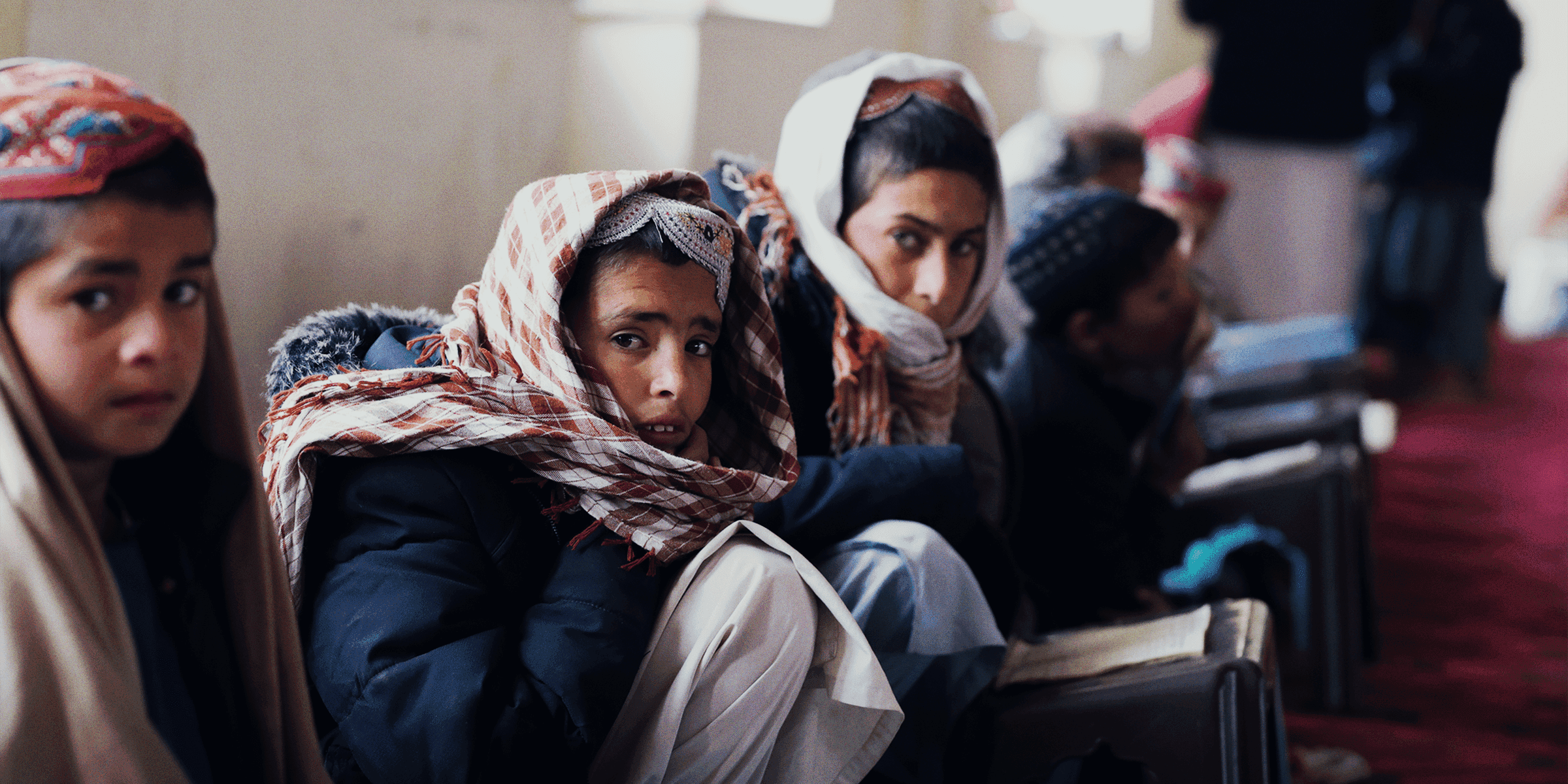
Liberation in 2021 ushered in a period of significant progress under the new administration, establishing security, tackling entrenched corruption, and launching major infrastructure projects. Yet Afghanistan’s growth has been constrained by international isolation and the sudden withdrawal of foreign aid, resulting in deep economic hardship, widespread poverty, and millions of lost livelihoods.
Still, despite these immense obstacles, the Islamic Emirate of Afghanistan has defied predictions of collapse. Through efficiency, anti-corruption measures, and resourcefulness, they have flourished and shown remarkable resilience. But Afghanistan continues to need our support. We now have a once-in-a-generation opportunity to help build a truly independent Islamic nation that could - bi’ithnillah - stand as a beacon of hope and inspiration for the entire Ummah.
Get Involved- Be The Change!
Donate
Support our advocacy as well as our humanitarian work for Afghanistan.


Background: The Graveyard of Empires
1996-2001: The Taliban’s Rise and Fall
In 1996, the Taliban took control of Afghanistan, ending four years of destructive civil war and unifying the country under their rule. However, following the 2001 attacks on the World Trade Centre in New York, the U.S. invaded Afghanistan to oust the Taliban, accusing them of harbouring al-Qaeda leader Osama bin Laden. During this period, the Taliban regime fell, and a US-backed government was established. Billions of dollars in international aid poured in, but rampant corruption and insecurity undermined the US attempt to impose its will on the country.
2001-2018: The United States’ Failed Adventure
The Taliban, having retreated to the mountains of Afghanistan, regrouped and began to resurge in their efforts to reclaim control and expel Western influence from their land. This led to prolonged conflict between the US-led coalition and the Taliban, whose persistence and resilience ultimately wore down the US, causing them to waver. By 2014, NATO officially ended combat operations, shifting to a training role, but the Taliban continued to grow in strength, taking control of large swathes of Afghanistan by 2016. In 2018, the US began direct peace talks with the Taliban in Doha, Qatar, something that would have been considered unimaginable at the beginning of the invasion.
2021- present: Taliban reassert control and rebuild
On April 14, 2021, US President Joe Biden announced a full US withdrawal by September 11, 2021. However, on August 15, 2021, the Taliban captured Kabul, and US-backed Afghan President Ashraf Ghani fled the country. By August 30, 2021, the last US troops left Afghanistan, marking the end of the 20-year war – the longest in US history. It is estimated that well over 200,000 Afghanis were killed, with countless more permanently injured or orphaned, and a country decimated after two decades of US-led occupation. The total cost of the US war in Afghanistan is estimated to be $2.3 trillion, according to the Watson Institute’s Costs of War Project.


© Copyright 2026 Human Aid & Advocacy. All rights reserved. Registered Charity No. 1138111